
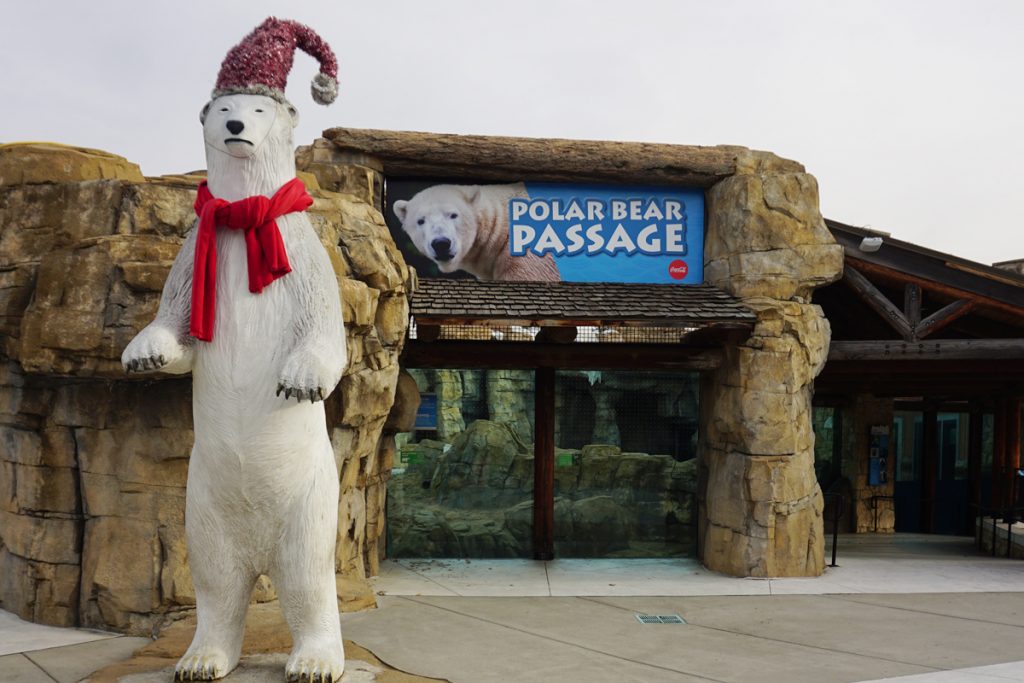
The Kansas City Zoo is investing heavily in one of its most popular exhibit categories, unveiling plans for a $12.5 million bear habitat expansion that promises significantly more space and enrichment for the zoo’s resident bears.
What the expansion means
Zoo habitat expansions at this scale typically go well beyond simply making an enclosure bigger. Modern zoo design increasingly prioritizes naturalistic environments, varied terrain, water features, and enrichment opportunities that let animals engage in more of their natural behaviors — climbing, foraging, swimming — rather than static, easily-viewed enclosures built primarily around visitor sightlines.
For a $12.5 million project, visitors can reasonably expect:
- A significantly larger footprint than the current bear habitat
- Updated viewing areas designed to give visitors better sightlines without compromising the animals’ space
- Enrichment features aimed at supporting natural behaviors and overall animal welfare
- Likely updates to behind-the-scenes care facilities that don’t show up in the visitor experience but matter enormously to animal health
Why zoos keep investing in habitat upgrades
Major habitat renovations have become a competitive necessity for accredited zoos nationally, both because of evolving animal welfare standards and because visitors increasingly expect naturalistic, spacious exhibits over older-style enclosures. For the Kansas City Zoo, a project of this size signals continued investment in staying current with those standards, following a broader national trend of zoos overhauling aging habitats rather than patching them.
What it means for Kansas City families
Big capital projects like this typically unfold over a multi-year timeline, so don’t expect immediate changes at the bear habitat. But for families who visit regularly, a project announcement like this is worth watching — both for updates on construction timelines and for the eventual payoff once the new habitat opens.
In the meantime, it’s a reminder that the Zoo remains one of the region’s most actively evolving attractions, continually reinvesting in itself rather than resting on its existing exhibits.