
As the Democratic Party looks toward the next presidential election, a quiet but unmistakable reshuffling is taking place among its ranks. The names now emerging as potential contenders—California Governor Gavin Newsom, Illinois Governor J.B. Pritzker, Vice President Kamala Harris, and progressive star Rep. Alexandria Ocasio-Cortez (AOC)—reflect both the party’s internal tension and its evolving strategy in a political era increasingly defined by confrontation rather than compromise.
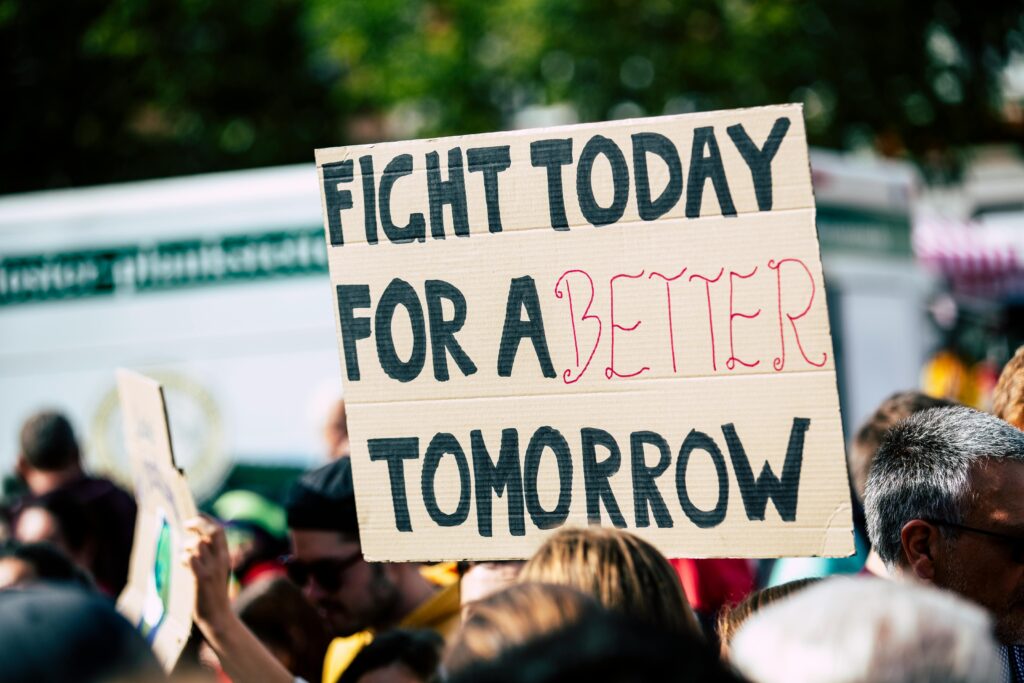
For years, Democrats have wrestled with how to engage the combative populism of PresidentDonaldTrump and the right-wing political movement he continues to shape. The old “high road” approach, championed by former First Lady Michelle Obama’s mantra, “When they go low, we go high,” has given way to a growing call among Democratic voters for leaders who can throw a punch as well as take one. In a political climate where decorum often reads as weakness, the hunger for a “fighter” is reshaping the party’s tone, message, and potential 2028 lineup.
Gavin Newsom: The California Counterpuncher
Governor Gavin Newsom has become one of the most visible Democratic figures in the post-Biden era. With a commanding presence and a record of progressive policymaking—from environmental leadership to gun control to homelessness initiatives—Newsom has positioned himself as a national figure capable of taking on Trumpism directly. His willingness to challenge conservative governors like Florida’s Ron DeSantis and to defend California’s policies as a blueprint for the future has earned him both admiration and criticism.
Strengths: Newsom’s national visibility, strong communication skills, and the economic weight of California as the nation’s most populous and prosperous state make him a formidable contender. He appeals to the liberal base and suburban moderates alike.
Weaknesses: Critics view Newsom as overly polished and politically calculated. California’s struggles with housing affordability and homelessness remain persistent vulnerabilities that conservative opponents are quick to weaponize.
J.B. Pritzker: The Billionaire Populist
Illinois Governor J.B. Pritzker, a billionaire businessman and heir to the Hyatt hotel fortune, has emerged as another leading Democratic heavyweight. Unlike many wealthy politicians, Pritzker has effectively wielded his fortune to promote progressive economic policies, emphasizing labor rights, tax fairness, and reproductive freedoms. His willingness to directly confront the Trump administration on issues of immigration and federal intervention—particularly the deployment of ICE and National Guard forces in Chicago—has made him a hero among urban Democrats.
Strengths: Pritzker’s political instincts, combined with his ability to self-fund a national campaign, give him immense leverage. His unapologetic defense of working-class interests and refusal to back down from conservative attacks align him with a growing base of blue-collar and union voters.
Weaknesses: His wealth could be a double-edged sword, making it harder to connect with grassroots voters who mistrust elite politicians. Moreover, Illinois’ fiscal struggles and high taxes could be used to question his economic stewardship.
Kamala Harris: The Embattled Insider
Vice President Kamala Harris remains one of the most recognizable Democratic names on the national stage. Her historical significance as the first woman, first African American, and first South Asian vice president provides her with enduring symbolic weight. Yet, Harris’s tenure has been marred by challenges—an unclear portfolio, internal staff turnover, and difficulties defining her public voice.
Strengths: Harris’s experience in the executive branch and her national recognition make her a natural contender. She appeals strongly to women, African American voters, and younger progressives.
Weaknesses: Her approval ratings remain tepid, and critics argue she has struggled to articulate a compelling policy vision independent of the administration.
Alexandria Ocasio-Cortez: The Progressive Wildcard
Few political figures in modern Democratic politics have reshaped discourse as dramatically as Rep. Alexandria Ocasio-Cortez. The 34-year-old New York congresswoman has become both a lightning rod for conservative criticism and a cultural force for a new generation of progressives. Her unapologetically leftist stance—on climate, healthcare, and social justice—has resonated deeply with younger voters disillusioned by establishment politics. Recent speculation that Senator Bernie Sanders may offer early support for her candidacy has only amplified her visibility.
Strengths: AOC’s authenticity, charisma, and ability to mobilize online grassroots movements are unmatched. She represents the emotional core of the progressive movement and the aspirations of a younger, more diverse electorate.
Weaknesses: Her limited executive experience and association with democratic socialism may alienate moderate voters and traditional donors, especially in battleground states.
Interestingly, the once-feared term “socialism” has been given new political credence through the Mayoral candidacy of New York front-runner and self-proclaimed Democratic socialist ZohranMamdani. An association that Democrats once ran from—and conservatives demonized—has begun to find legitimacy among voters who feel left behind by both political parties. The platform, emphasizing equity, economic fairness, and housing security, has resonated amid rising inflation and widening wealth gaps. Mamdani’s rise underscores how Democratic socialism’s messaging is no longer fringe, but a potent political force connecting to those disillusioned by the establishment’s failures.
The merging of Democratic and socialist messaging presents both a challenge and an opportunity for the Democratic Party. To remain relevant, the party must examine how this populist alignment can energize independents and reawaken its base, particularly among working-class Americans. Democrats can no longer rely solely on legacy symbolism or anti-Trump rhetoric—they must articulate an economic vision that rivals the emotional appeal of right-wing populism.
The Shifting Democratic Mood
Early polling within each contender’s home state underscores their local dominance—Newsom maintains approval in the mid-50s in California; Pritzker polls near 60% in Illinois; Harris remains polarizing but retains strong loyalty among Black and female voters; AOC enjoys overwhelming popularity among voters under 35.
The upcoming midterm elections are expected to play a decisive role in shaping the narrative for 2028. Strong Democratic showings in key states could embolden governors like Newsom and Pritzker, while poor turnout among young voters could pressure the party to elevate a progressive voice like Ocasio-Cortez.
One thing is clear: the next Democratic era will not be defined by deference or politeness. The party’s future contenders are preparing for a fight—not just against Trumpism, but for the soul, strategy, and message of America itself.