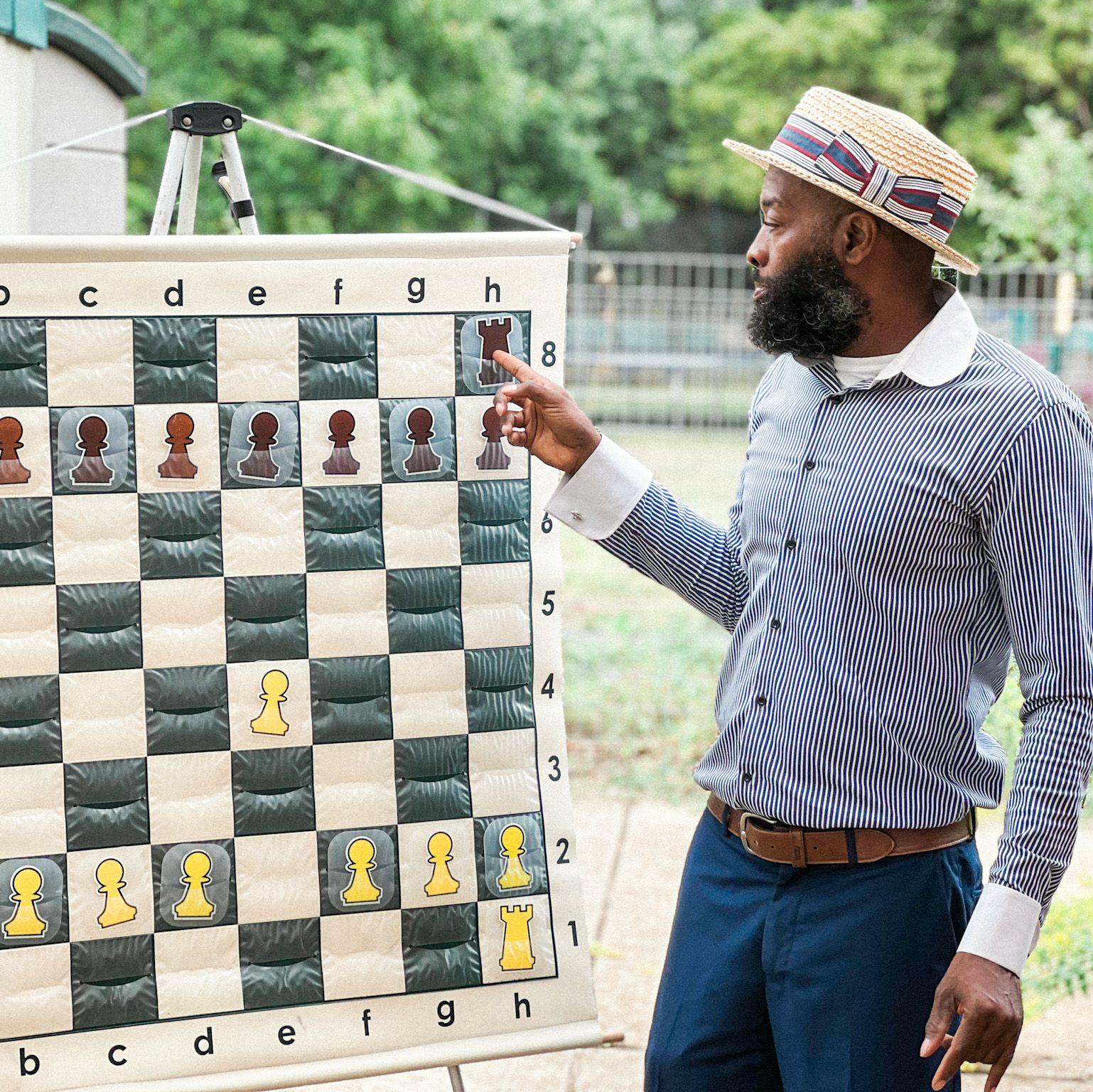

Credited to: Lacey “G Souldier” Turner
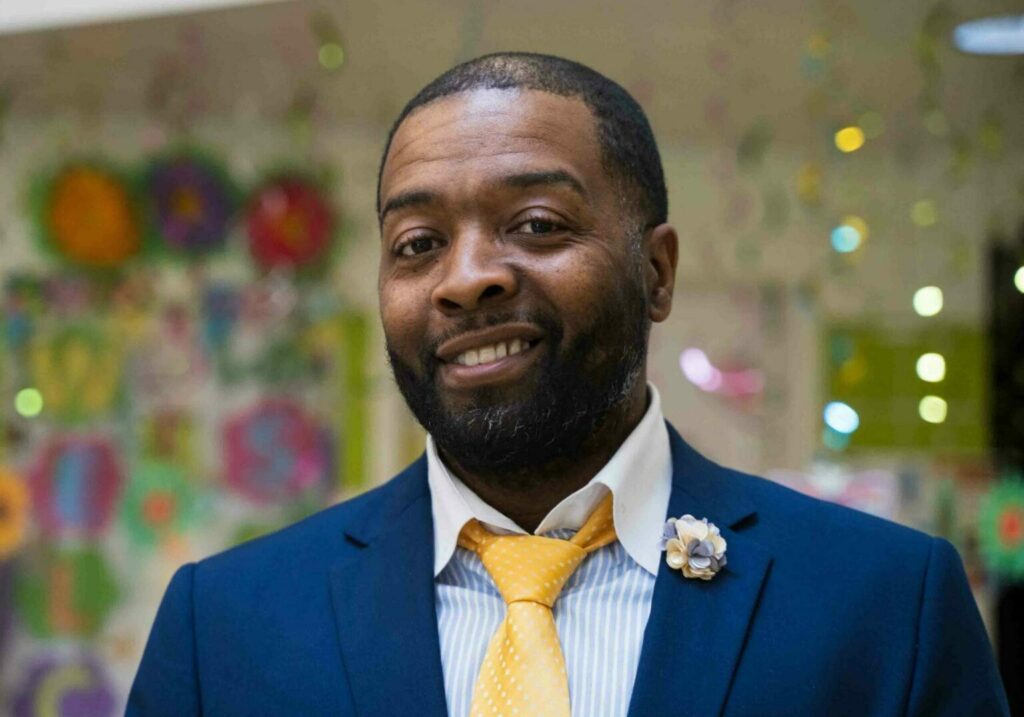
Born and raised in St. Louis, Missouri, in the West City Goodfellow and Wells neighborhood, Eric Payne’s journey into chess wasn’t planned—it was providence.
Raised by his grandmother, Eric didn’t grow up dreaming of becoming a chess instructor. In fact, he had no interest in the game at all. For more than 25 years, Mr. Boyd—a gifted former middle school math teacher who left the classroom to teach chess full-time—had been trying to introduce Eric to the game. It never stuck.
Until it did.
Less than 12 years ago, during a season when Eric needed part-time work, his landlord encouraged him to contact Mr. Boyd’s wife, who owned a janitorial company. That connection led Mr. Boyd to call him back. Eric met with him three days in a row. What started as casual exposure turned into calling.
Mr. Boyd needed a beginner chess teacher and, as Eric describes it, “threw him out there.”
And it clicked.
“I always say my worst-behaved kid becomes my best chess player,” Eric explains.
At first, he began teaching privately. Word spread quickly. Parents started asking for business cards. Demand grew. When he was hired at the St. Louis Chess Club, everything accelerated. The position gave him access to tournaments, and he began taking his students to compete. They started winning first place. Watching their reactions—seeing their confidence bloom—changed everything.
That momentum led him to launch his own nonprofit, Know Payne Know Gain Chess, where he now teaches students of all ages.
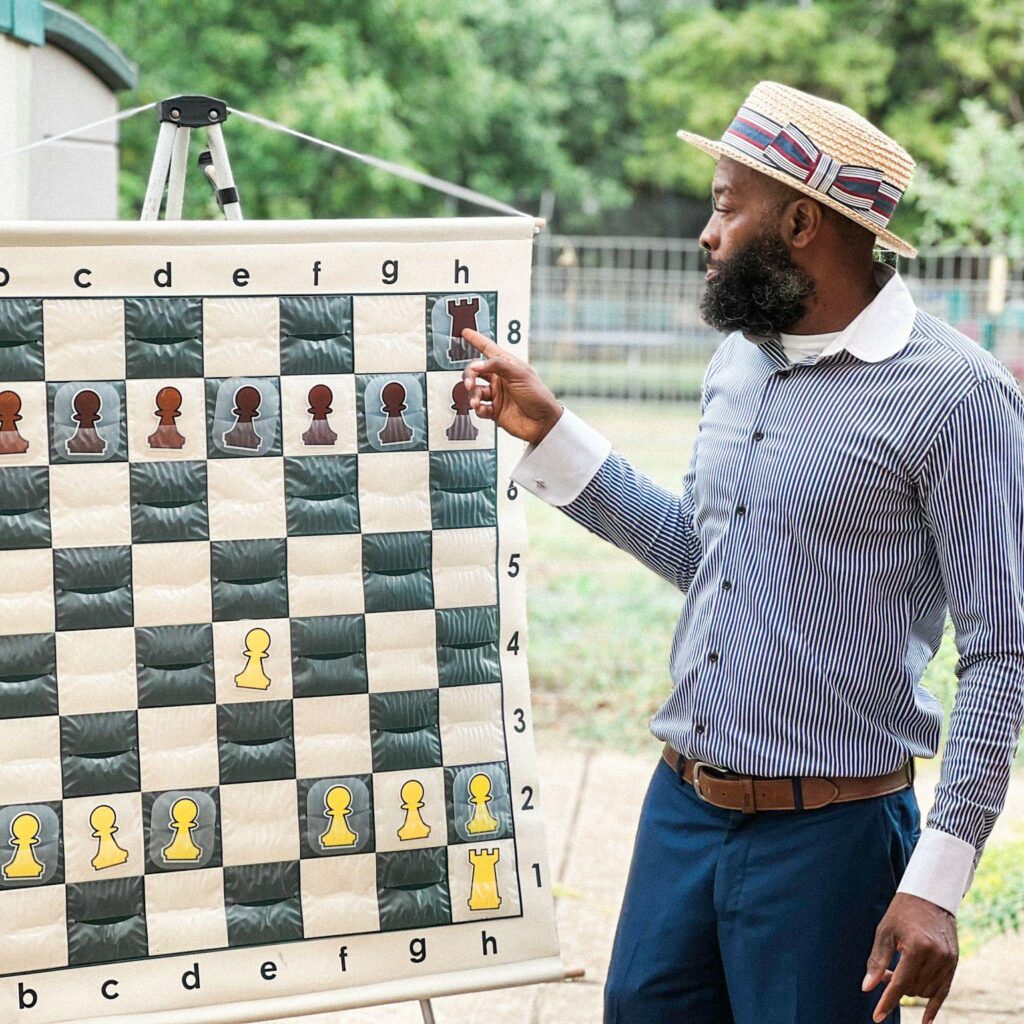
Chess Is Life
Eric doesn’t just teach how pieces move—he teaches how minds move.
“One bad move on the chessboard can cost you your life,” he says. “So I show them how to think instead of just moving.”
He often asks people where most individuals first learn to play chess. The common answer? Prison. His message is clear: he wants children to learn strategic thinking before life forces them to.
To Eric, chess is math. It’s discipline. It’s critical thinking. With 960 million possible checkmate patterns, the game demands foresight and patience. He teaches students to think two to three moves ahead—not just in chess, but in life.
“Chess is definitely real life,” he says. “You make bad choices; there are consequences.”
He emphasizes repetition, accountability, sportsmanship, and emotional control. Losing isn’t failure—it’s a lesson. Strategy replaces impulse. Focus replaces distraction.
In a world where children are glued to their phones, Eric says many of his students would rather play chess than video games. He believes the game relieves pressure, sharpens the brain, and builds resilience.
“When a kid sits down for an hour and plays chess, it takes their mind away. It relieves frustration.”
A Tool for Healing and Growth
Eric’s mission goes beyond tournaments and trophies. He invites parents—especially those facing challenges at home—to give him a chance.
“If their dad is not around, if their child has emotional trauma—send them to me. I’ll give them a free session. I promise you, in time, your child will become better.”
His work continues to expand. He is now focusing on growing his YouTube channel and is preparing to begin teaching chess inside the St. Louis City and St. Louis County jails—bringing strategy, discipline, and hope to incarcerated individuals.
The Legacy He Wants to Leave
When asked what he wants people to remember about him when he’s long gone, Eric doesn’t mention trophies or titles.
“I want people to know I directed them to Jesus and God’s way of learning how to live right,” he says. “If they just sit and focus and learn one piece at a time, they will become successful.”
For Eric Payne, chess is more than a board game. It’s a ministry. It’s mentorship. It’s moral training. It’s mental conditioning.
He’s not just teaching children how to win matches.
He’s teaching them how to win at life—one move at a time.