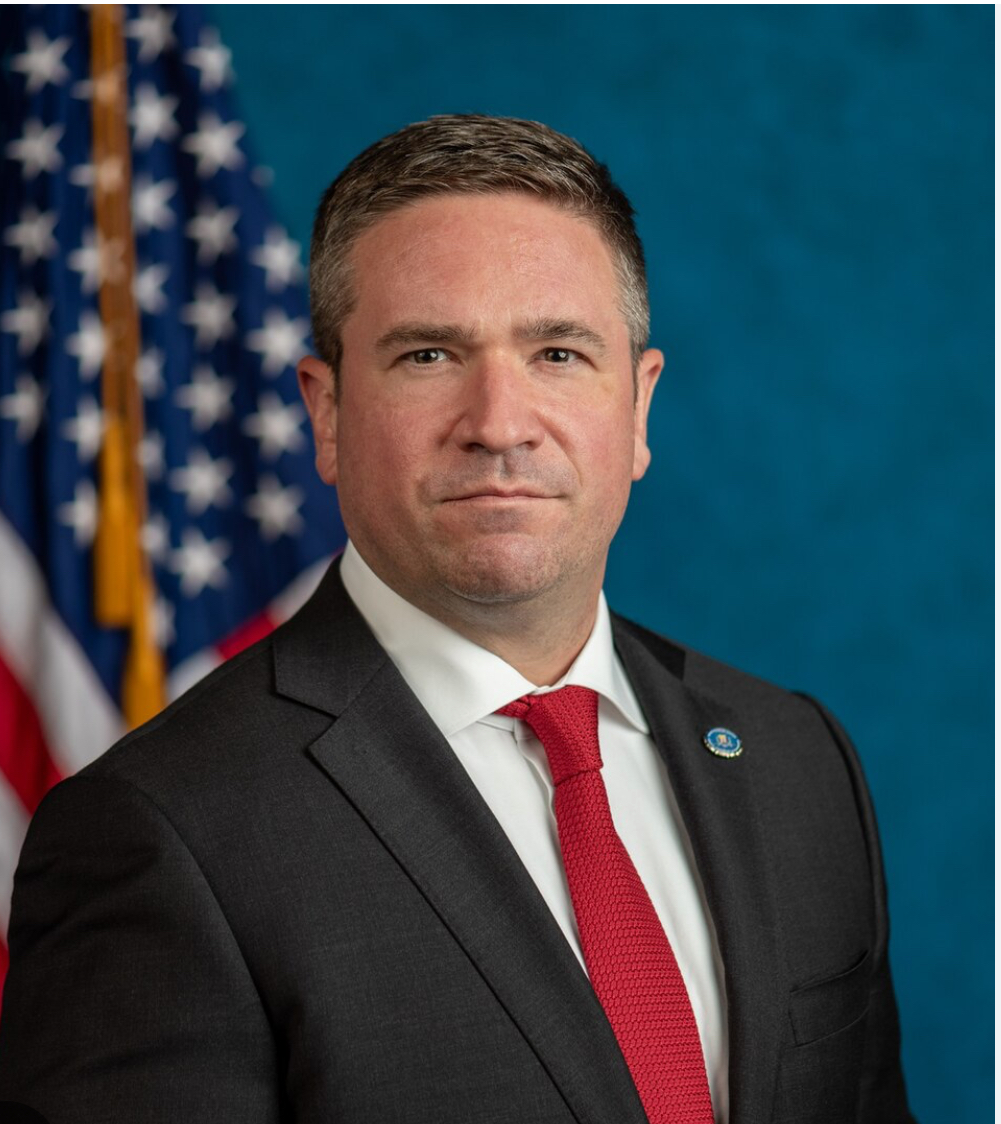

Former Missouri Attorney General Andrew Bailey is poised to take on expanded authority within the Federal Bureau of Investigation as he becomes the bureau’s sole deputy director, following the expected departure of co-deputy director Dan Bongino next month. The move places Bailey squarely at the center of federal law enforcement leadership at a moment when the Justice Department is facing heightened scrutiny, internal tension, and persistent rumors of a broader leadership realignment.
The FBI deputy director role is the agency’s second-highest position, overseeing daily operations and serving as the primary operational link between the bureau and FBI Director Kash Patel. With Bongino stepping aside, Bailey’s responsibilities will widen considerably, giving him increased influence over strategic priorities, personnel decisions, and investigative coordination across the country.
Bailey’s ascent has been swift and, in many ways, emblematic of the Trump-era reshaping of federal institutions. He entered the Missouri attorney general’s office in 2021 as general counsel, then was appointed attorney general in 2022 following the departure of Eric Schmitt, who moved to the U.S. Senate. Rather than facing voters initially, Bailey assumed the role through gubernatorial appointment, later positioning himself as a loyal defender of conservative legal causes at both the state and national level.
During his time as Missouri’s top prosecutor, Bailey became known for aggressive legal actions aligned with national Republican priorities, including challenges to federal authority, election-related litigation, and high-profile cultural and constitutional disputes. Those efforts elevated his profile within conservative political circles and helped pave the way for his transition to Washington.
Bailey resigned as attorney general in September to accept the FBI deputy director post, a move that surprised some in Missouri but signaled his growing ambitions on the national stage. Now, with Bongino’s departure imminent and continued controversy swirling around Director Patel, Bailey’s expanded role has sparked quiet speculation that he could be positioned for even greater responsibility should leadership changes occur at the top of the bureau or within the Justice Department more broadly.
While no formal plans have been announced, the backdrop is notable. Patel has faced criticism over management decisions and personal conduct, fueling rumors of potential changes within federal law enforcement leadership. In that context, Bailey’s elevation to sole deputy director could serve as both a stabilizing move and a test run for higher office, should the administration seek continuity aligned with its political vision.
For Bailey, the moment represents a potential capstone to a meteoric rise that began in Missouri politics and rapidly moved to the federal level. It also underscores the increasingly blurred lines between state-level political loyalty and national law enforcement leadership in the current era.
Whether Bailey remains firmly in the deputy role or emerges as a contender for an even more prominent position remains to be seen. What is clear is that his trajectory reflects a Justice Department in flux, where political trust, institutional power, and personal ambition are converging in ways that could reshape federal law enforcement leadership in the months ahead.
A Kitchenless Oyster Bar, a New Taco Spot, and More: East Crossroads Reshuffles
A half block of the East Crossroads is getting a wave of new businesses this fall, even as the neighborhood...
Read moreDetails