

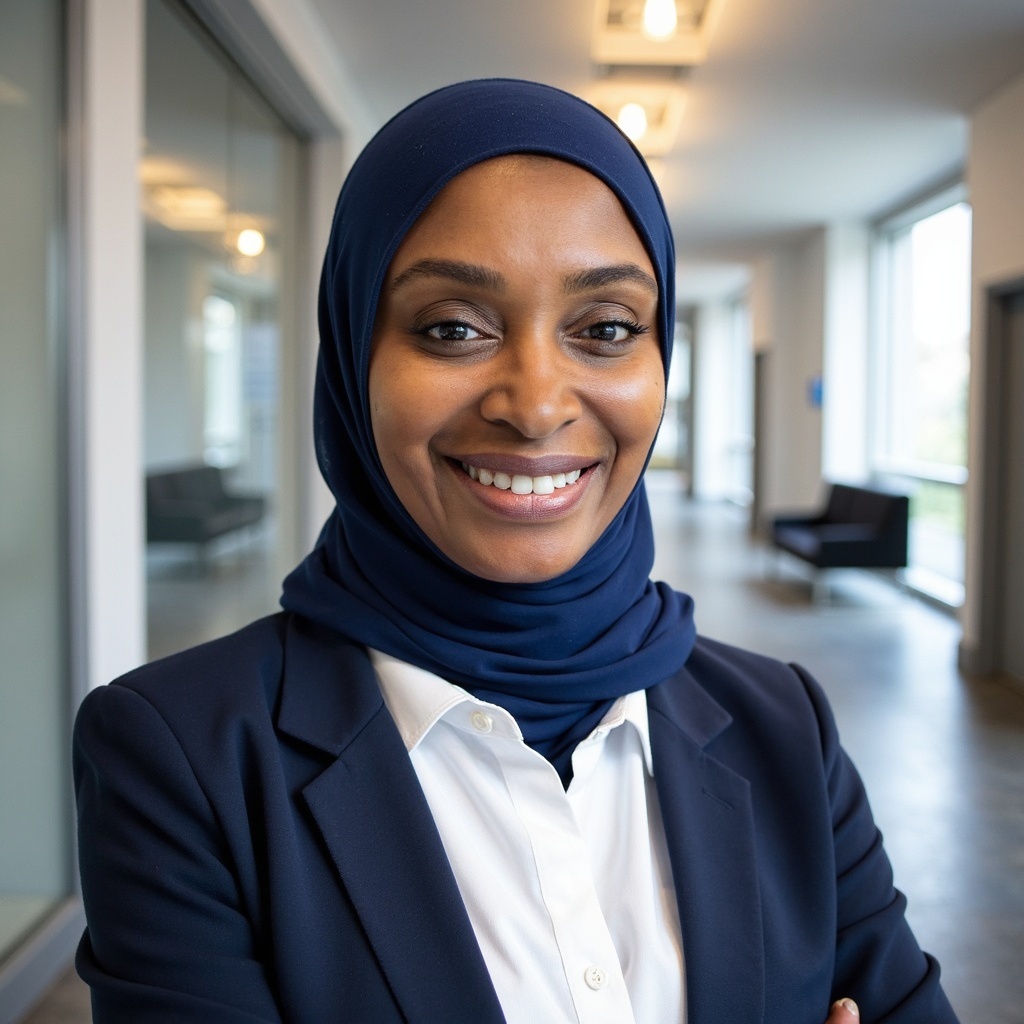
If killing the sons and sparing the daughters worked together as a strategy of domination, what becomes of protection? Not protection as rhetoric or control, but as moral obligation—responsibility and individual and communal care. If survival remains the strategy and protection disappears, what is moral freedom? Is it liberation, or are rights reduced to a neo-political stance that obscures female marginalization?
We must consider the testimony of women’s lived experiences—not in opposition to the analysis of Black men’s targeting, but as a continuation of it. Women were granted the right to vote in 1920, yet that right was not meaningfully enforced for Black women until the Voting Rights Act of 1965. Federal policy later expanded economic pathways through the Earned Income Tax Credit and the Violence Against Women Act, yielding gains in income stability and personal safety. Yet alongside these gains, a quieter structural shift unfolded in American family life.
Between 1960 and the early twenty-first century, single-mother households grew from about 1.9 million to more than 8.6 million, while single-father households rose from fewer than 300,000 to roughly 2.6 million (Livingston 2013). Today, households headed by women without a spouse outnumber those headed by men—roughly 15 million to 6 million—and married-couple households have declined from 71 percent in 1970 to about 47 percent (U.S. Census Bureau 2024). Black families experienced these changes earlier and more intensely (Jaynes 2023). When the burden of survival shifts, it does not eliminate domination; it redistributes it. This is not an argument about the absence of men, but about consequence: what it means to “let the girls live” within a system that redistributes, rather than resolves, vulnerability.
Judaism, Christianity, and Islam each inherited the burden of justice, yet patriarchal translations of sacred texts have perpetuated misogynistic readings across all three. Islam, in its revealed framework, came to right those wrongs—reinterpreting societal norms to create a justice-centered model in which women hold rights, receive protection, and exercise agency. Cultural prohibitions on driving, education, or public life—often defended as resistance to Western influence—are extremist deviations, not Islamic teaching. Inequality of intellect and opportunity is not part of the dīn. In the age of Jāhiliyya, daughters were buried for not being sons. Prophet Muhammad (ṣ)¹ joined the Ḥilf al-Fuḍūl to defend the defenseless. Justice grounded in revealed Qurʾānic teaching is instituted by God and incumbent upon all humanity—a public good that safeguards life, lineage, and dignity. What that trust requires of us, and what it looks like when girls are not merely spared but freed, is where this conversation must turn next.[1]
Dr. Safiyyah Kai El-Amin, DMin, BCC, Senior Editor, St. Louis Argus
[1] The honorific (ṣ) abbreviates ṣallā Allāhu ʿalayhi wa-sallam (“may God’s peace and blessings be upon him”), invoked by Muslims after mentioning the Prophet Muhammad.