

Sanctions as Siege: Why We Should Care About Cuba
Credited to: TD El-Amin
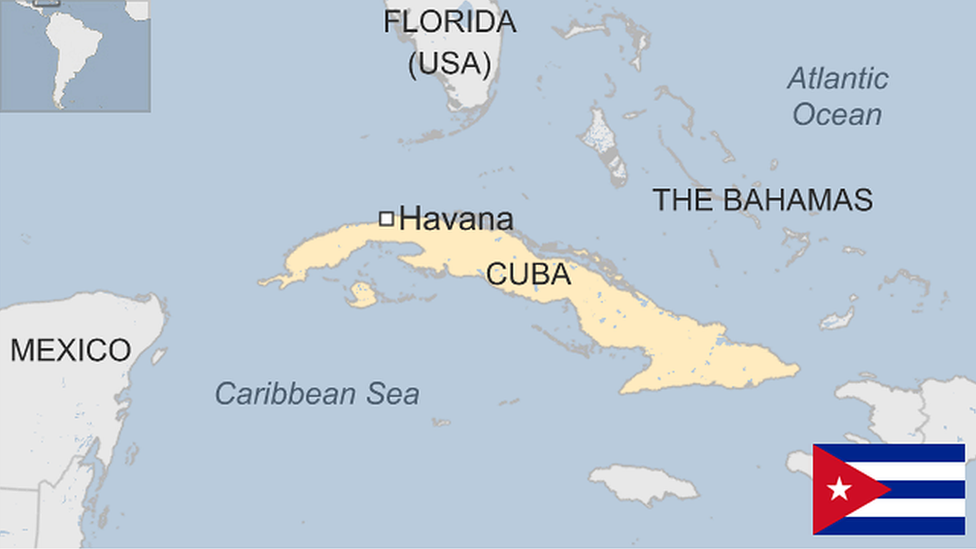
As Iran looms large in the international headlines and a growing arc of crisis threatens to engulf much of the world, a more subtle drama is playing out ninety miles off the coast of Florida. After years of relative quiet, Cuba is once again poised to become a centerpiece of America’s push for dominance in the Western Hemisphere. Only this time, the pressure isn’t military—it’s economic. The U.S. government has long touted sanctions as a “kind” alternative to war. Programs like economic restrictions allow officials in Washington to punish governments they dislike while minimizing harm to civilian populations. In reality, sanctions have always been siege by another name. Tools like trade restrictions, banking cutoffs, credit denial, and the efforts to dissuade foreign companies from doing business with embargoed countries may feel piece: but they impact whole economies. Entire populations feel their effect. Those population have been living with Cuba’s sanctions regime for sixty years. Castro nationalized American industries, redistributed land and other property, and shook up an economy that been geared toward serving U.S. interests for generations. For Washington, that was a threat. Overthrowing Castro became a priority for every administration from Dwight Eisenhower to Barack Obama. Only the tactics changed. The embargo that followed the Cuban Revolution was an attempt to economically choke out the island’s new leaders. Labeling Cuba a security threat gave the United States grounds to ban trade and cut Cuba off from the international financial system.
Gradually, those restrictions spread. The United Nations has repeatedly condemned the humanitarian impact of sanctions and Cuba’s financial isolation. U.N. experts have specifically warned that sanctions-related financial restrictions make it difficult for Cuba to access basic goods—limiting everything from medicine and medical devices to energy resources. Cubans have also faced shortages in everything from electricity to food as the embargo smothers the island’s economy. If sanctions are sieges, that’s what sieges do. Sieges devastate societies to pressure political outcomes. Starving hospitals of supplies makes life difficult for Cuban citizens. Preventing access to reliable electricity makes life more difficult still. Limiting access to food, medicine, heat, and other staples creates suffering. And as that suffering climbs, Sanctions proponents point to unrest as evidence that their tactics are working, never fully acknowledging their role in creating a humanitarian crisis in the first place. The United States has pulled this playbook in countless nations over the decades. Sanctions become economic crisis become protests become “evidence” that the sanctioned government did something wrong. Latin America. The Middle East. Authoritarianism vs Democracy. Dictators vs Freedom Fighters. No matter the narrative, sanctions continue to serve as go-to tools of U.S. foreign policy. Unless those policies impact a favored ally, of course. Which brings us back to Cuba. In recent months, Cuba has sunk into one of its deepest economic crises in years. Shortages are rampant. Blackouts are common. Many Cubans have taken to the streets, and thousands are trying to leave the island altogether. If sanctions succeed in making life worse on the island, it will open the door for further political destabilization. Cuba could be the next Venezuela, where a vulnerable population endures years of hardship before voting with their feet. And make no mistake, we’ll be told that those who leave are offered to cause that hardship, just as we were told that about Syrians fleeing a civil war made infinitely worse by the United States’ unilateral sanctions regime. It’s time we start paying attention to Cuba before it’s too late.