

New York, NY — A new intellectual framework examining artificial intelligence, robotics, and racial power structures is gaining traction across the Black press, even as major mainstream technology publications remain silent.
Robootology — an emerging field exploring how AI and robotics can expose bias, challenge systems of white supremacy, and expand Black agency in the digital age — has received sustained coverage from Black-owned and culturally grounded media outlets.
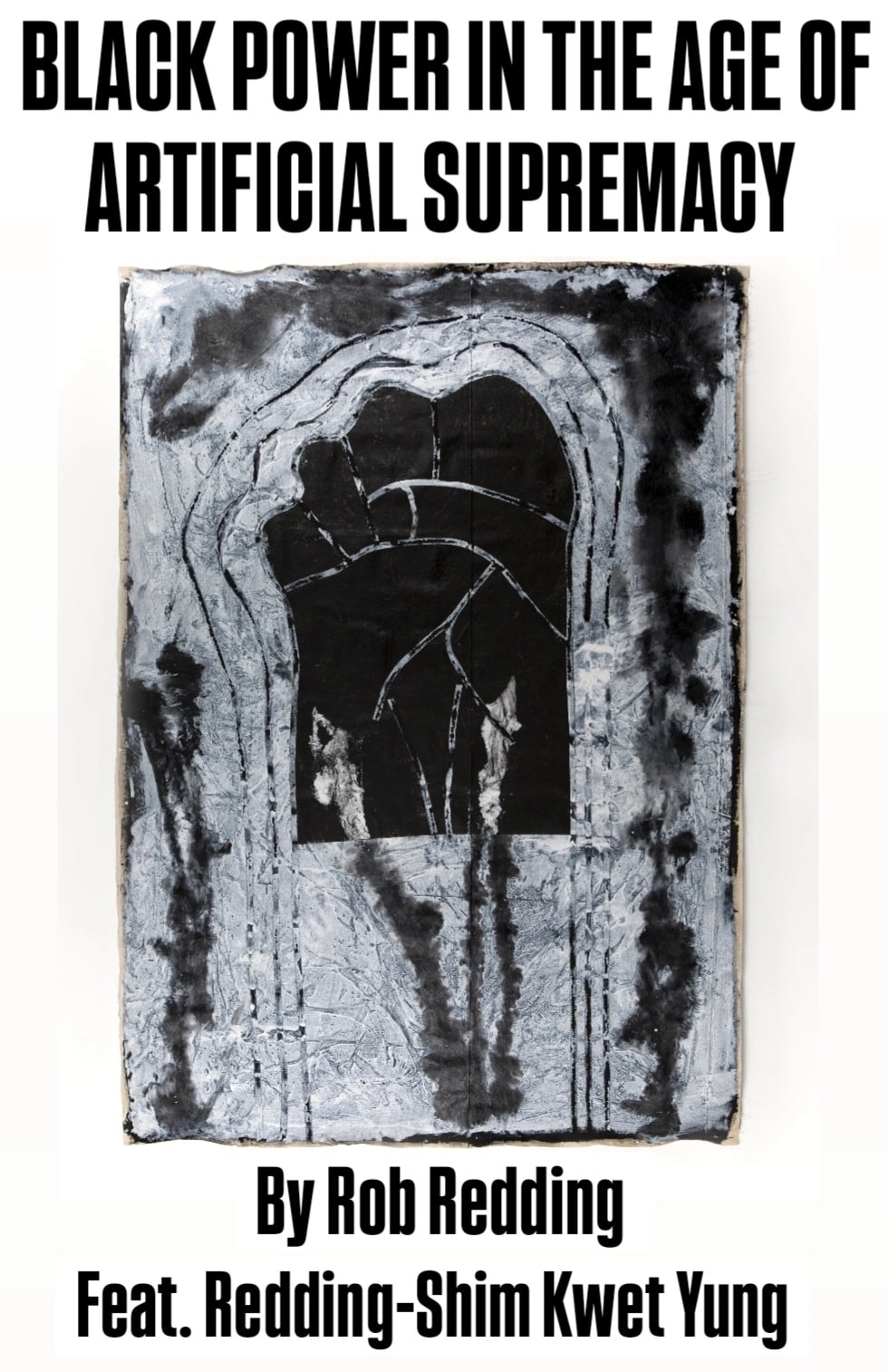
The concept was introduced in the bestselling book Black Power in the Age of Artificial Supremacy, which recently reached No. 1 on Amazon in the Machine Theory category. The book argues that artificial intelligence is not neutral — that it reflects power structures embedded in society — and that the same tools shaping the digital future can also be used to dismantle inequitable systems.
Black newspapers and independent platforms quickly recognized the urgency of the idea. Beginning December 6, 2024, The Buffalo Criterion published the first coverage, followed in January 2025 by reporting in The Buffalo Criterion, Narrative Matters, the St. Louis Argus, the Kansas City Argus, the North Dallas Gazette, and the Tennessee Tribune. These outlets framed Robootology as a serious and forward-looking contribution to the national conversation on race and technology.
In contrast, leading white-run technology publications — including Wired, The Verge, TechCrunch, MIT Technology Review, and Fast Company — have not reported on the concept.
The absence is notable. These outlets routinely highlight emerging disciplines, speculative frameworks, and new ways of conceptualizing AI. Their silence raises broader questions about whose intellectual contributions are deemed credible within mainstream tech discourse.
“Robootology is about power, access, and the future of human autonomy,” said Rob Redding, author of the book. “It is telling that the outlets closest to communities most impacted by algorithmic bias immediately understood its relevance. It is equally telling that institutions that claim to shape the national tech narrative did not.”
Historically, the Black press has played a central role in elevating ideas overlooked by mainstream institutions. From civil rights theory to cultural movements and policy debates, Black media has often recognized and amplified innovation long before it receives broader validation.
Even widely adopted AI systems began as niche academic research papers before reaching mainstream awareness. The pattern is familiar: breakthrough ideas gain traction in communities that directly experience the stakes, and only later — sometimes much later — are acknowledged by dominant institutions.
Robootology’s reception appears to follow that trajectory.
Scholars, technologists, artists, and cultural critics are increasingly engaging with the framework, examining how AI design, robotics automation, data governance, and algorithmic accountability intersect with race and structural power.
Its early embrace within Black media underscores a long-standing divide in American journalism: innovation emerging from marginalized communities is often validated first within those communities.
“Robootology is not waiting for permission,” Redding said. “The communities that understand what’s at stake have already embraced it.”
Whether mainstream tech publications eventually engage the concept remains to be seen. What is clear is that the conversation has already begun — and it is being led by institutions with a longstanding tradition of identifying transformative ideas before the rest of the country takes notice.